The spine helps support the body, protect the nervous system, and guide movement. The nervous system helps the brain and body communicate.
Because children are growing and developing, healthy movement patterns and good posture habits can be important. When the spine is not moving well or the body is compensating, children may experience tension, discomfort, or changes in how they move.
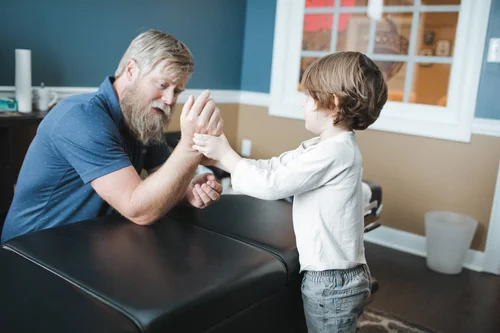
Chiropractic care focuses on evaluating spinal function, posture, alignment, and movement. For children, care should always be gentle, specific, and appropriate for their age, size, and needs.
Upper cervical chiropractic focuses on the top of the neck, where the head and spine meet. This area includes the atlas and axis, also known as C1 and C2.
The upper neck helps support the head and may influence posture, balance, body awareness, and nervous system communication.
For children, upper cervical care may be considered when the doctor’s evaluation suggests that the upper neck may be contributing to stress, tension, or compensation in the body.
At Chattanooga Upper Cervical Chiropractic, care recommendations are based on the child’s individual history, findings, and needs.
Chiropractic care may help support children by focusing on better spinal movement, posture, body awareness, and nervous system function.
Potential benefits may include:
- Support for healthy posture
- Better awareness of spinal alignment
- Gentle support for neck and back function
- Help with movement and body mechanics
- Support after everyday bumps, falls, or sports strain
- Education for parents about posture and spinal health
- A natural and non-invasive approach to care
- Family-centered support for wellness habits
Results vary from child to child. Chiropractic care does not cure childhood illnesses or replace pediatric medical care.
Children’s bodies change quickly. Growth spurts, school routines, sports, backpacks, and screen habits can all affect posture and movement.
A child may benefit from a chiropractic evaluation if parents notice:
- One shoulder sitting higher than the other
- Forward head posture
- Frequent complaints of neck or back discomfort
- Head tilt or uneven posture
- Discomfort after sports or activity
- Difficulty relaxing the shoulders or neck
- Recurring tension patterns
- Changes after a fall, collision, or minor injury
These signs do not automatically mean chiropractic care is needed, but they may be reasons to schedule an evaluation.
Sports can be a positive part of childhood, but they can also place stress on the body. Running, jumping, twisting, falling, and repetitive movements may affect the spine, joints, and muscles.
Chiropractic care may help young athletes by supporting:
- Spinal mobility
- Posture
- Flexibility
- Body mechanics
- Recovery from everyday strain
- Awareness of movement patterns
If a child has a serious injury, concussion symptoms, severe pain, swelling, weakness, numbness, or difficulty walking, they should be evaluated by a medical provider right away
Many children spend time using phones, tablets, computers, and gaming devices. Looking down for long periods may contribute to forward head posture, rounded shoulders, neck tension, and upper back strain.
Parents can support better posture by encouraging children to:
- Take movement breaks
- Bring screens closer to eye level
- Avoid long periods in one position
- Stretch gently
- Use backpacks properly
- Sit with support when studying
- Stay active throughout the day
Chiropractic care may also help families understand how posture habits may be affecting a child’s spine and movement.
At Chattanooga Upper Cervical Chiropractic, we understand that parents may have questions before bringing their child to a chiropractor.
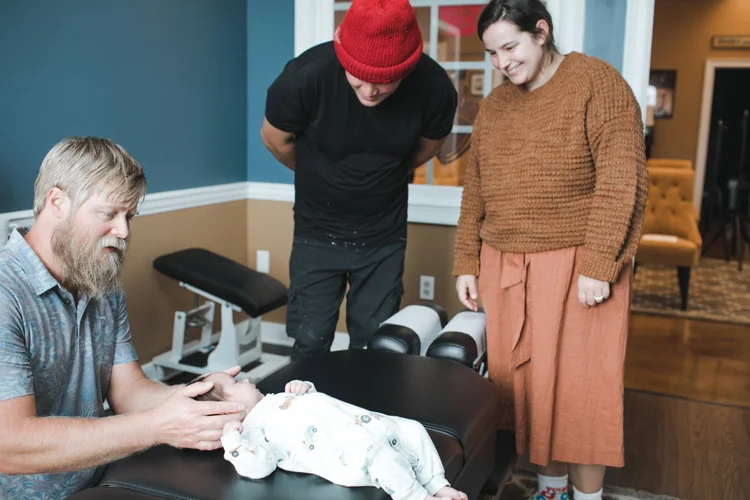
Our approach is gentle, respectful, and family-centered. We take time to explain what we are evaluating, why it matters, and what care may involve.
A child’s visit may include:
- Parent consultation
- Health history review
- Discussion of concerns
- Posture evaluation
- Age-appropriate spinal assessment
- Explanation of findings
Care recommendations, if appropriate - Time for questions
We want parents and children to feel comfortable, informed, and supported.
Chiropractic care should not replace pediatric medical care.
Parents should seek medical evaluation if a child has:
- Severe or worsening pain
- Pain after a major fall, accident, or injury
- Fever with neck stiffness
- Weakness, numbness, or trouble walking
- Severe headache
- Dizziness or fainting
- Vision changes
- Difficulty speaking
- Concussion symptoms
Unexplained weight loss - Symptoms that feel urgent or concerning
If your child is experiencing a medical emergency, call 911 immediately.
Our practice offers:
- Gentle chiropractic care for families
- A focused upper cervical approach
- Patient and parent education
- Individualized recommendations
- A natural and non-invasive care philosophy
- Respectful communication
- A welcoming environment for children and parents
- Care that considers posture, movement, and nervous system function
Dr. Simeon and Dr. Andrea are passionate about helping families better understand health, function, and the body’s ability to adapt.
Frequently Asked Questions About Chiropractic Care for Kids
Schedule a Pediatric Chiropractic Consultation
If you are interested in learning more about chiropractic care for your child, we invite you to contact Chattanooga Upper Cervical Chiropractic.
Our team would be happy to answer general questions, explain the new patient process, and help you determine whether an evaluation may be the right next step.
Chattanooga Upper Cervical Chiropractic