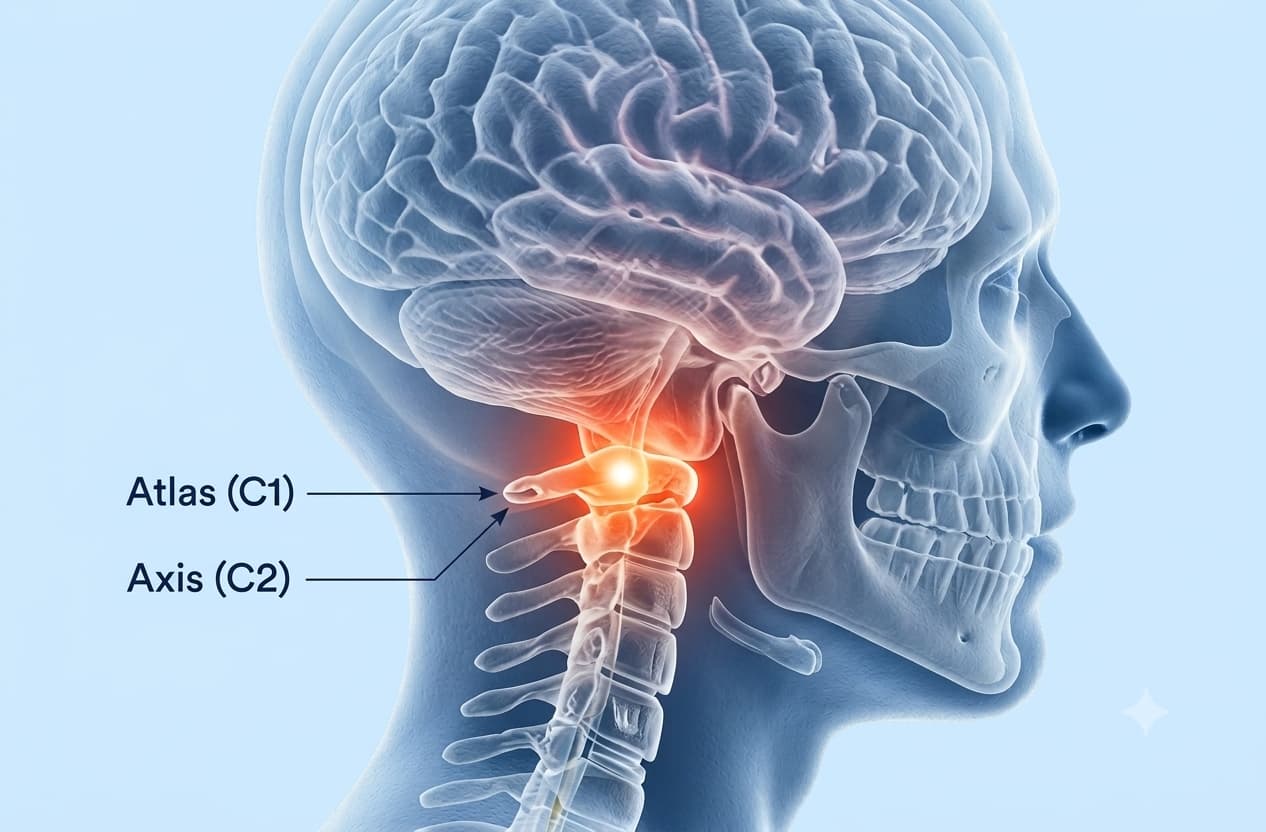
Because the upper neck is closely connected to posture, balance, head position, and nervous system communication, some patients seek an upper cervical chiropractic evaluation for vertigo- or dizziness-related concerns.
Patients with vertigo may experience:
- Spinning sensations
- Dizziness
- Nausea
- Loss of balance
- Motion sensitivity
- Lightheadedness
- Difficulty walking steadily
- Feeling off-center or disoriented
At Chattanooga Upper Cervical Chiropractic, we take the time to understand your symptoms, your history, and how vertigo affects your life. Our goal is to evaluate whether upper cervical misalignment or dysfunction may be part of the picture.
Some patients notice that migraine patterns are connected to posture, neck tension, stress, old injuries, or changes in the way their head and neck feel. Because the upper cervical spine is closely related to head posture and nervous system function, it may be an important area to evaluate.
Patients with migraines may experience:
- Throbbing or pulsing head pain
- Pain on one or both sides of the head
- Neck tension
- Nausea
- Light or sound sensitivity
- Visual changes or aura
- Fatigue before or after an episode
- Difficulty working or completing daily tasks
Upper cervical chiropractic care does not promise a cure for migraines. However, many patients seek this type of care because they want a careful evaluation of the upper neck and its possible role in their headache or migraine patterns.
Because trigeminal neuralgia involves nerve-related facial pain, patients may seek care that considers the relationship among the head, neck, spine, and nervous system.
Symptoms may include:
- Sharp facial pain
- Electric shock-like sensations
- Pain triggered by touch or movement
- Pain in the jaw, cheek, forehead, or around the eye
- Episodes that come and go
- Sensitivity during normal activities
Upper cervical chiropractic care does not promise a cure for migraines. However, many patients seek this type of care because they want a careful evaluation of the upper neck and its possible role in their headache or migraine patterns.
Because dysautonomia can affect many systems in the body, patients may experience a wide range of symptoms that are difficult to explain or manage.
Common concerns may include:
- Dizziness
- Heart rate changes
- Blood pressure changes
- Fatigue
- Temperature sensitivity
- Digestive issues
Brain fog - Lightheadedness
- Exercise intolerance
- Feeling faint or unstable
Upper cervical chiropractic care focuses on the relationship between the upper neck and nervous system function. While dysautonomia requires proper medical evaluation and care, some patients choose to explore upper cervical chiropractic as part of a broader wellness approach.
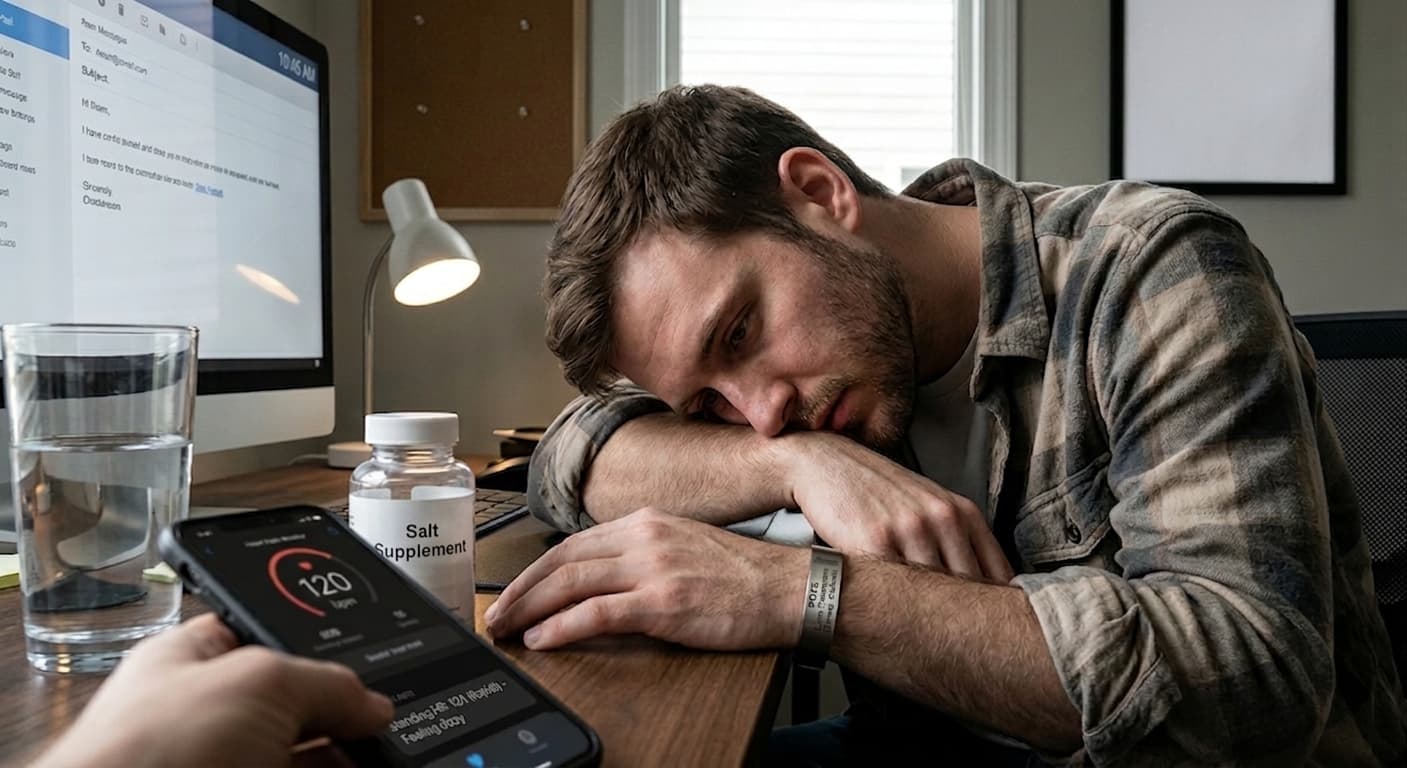
People with POTS may feel worse when standing, walking, or being upright for long periods. Symptoms can affect work, school, daily routines, exercise, and quality of life.
Patients with POTS may experience:
- Rapid heart rate when standing
- Dizziness
- Lightheadedness
- Fatigue
- Brain fog
- Weakness
- Shakiness
- Exercise intolerance
- Nausea
- Feeling faint
POTS should be evaluated and managed with appropriate medical guidance. At Chattanooga Upper Cervical Chiropractic, we focus on evaluating the upper cervical spine and helping patients understand whether upper neck function may be part of their overall health picture.
Patients with fibromyalgia often want a provider who takes time to listen and consider the full picture instead of focusing only on one symptom.
Common symptoms may include:
- Widespread muscle pain
- Fatigue
- Sleep difficulties
- Brain fog
- Tenderness
- Sensitivity to pressure
- Headaches
- Neck and back discomfort
- Morning stiffness
Upper cervical chiropractic care may be considered by patients who want to evaluate how posture, spinal function, and nervous system stress may relate to their symptoms. Every case is different, and care recommendations should always be based on individual evaluation.
Patients with TMJ concerns may experience:
- Jaw pain
- Clicking or popping in the jaw
- Difficulty chewing
- Jaw locking
- Facial tension
- Headaches
- Ear pressure
- Neck pain
- Pain near the temples
The upper cervical spine can influence head position and muscle tension around the jaw and neck. At Chattanooga Upper Cervical Chiropractic, we evaluate how the upper neck and posture may be contributing to stress in the jaw and surrounding areas.
Balance is influenced by several systems, including the inner ear, eyes, brain, spine, posture, and neck. Because of this, the upper cervical spine may be an important area to evaluate in patients with vestibular concerns.
Symptoms may include:
- Dizziness
- Poor balance
- Motion sensitivity
- Nausea
- Difficulty walking steadily
- Feeling off-center
- Visual motion sensitivity
- Disorientation
At Chattanooga Upper Cervical Chiropractic, we take a careful approach to understanding vestibular-related concerns and how the upper neck may be connected to balance and body awareness.
Because the occipital nerves pass through the upper neck, patients with this type of pain may seek an upper cervical chiropractic evaluation.
Symptoms may include:
- Pain at the base of the skull
- Pain that travels into the scalp
- Pain behind the eyes
- Burning or shooting pain
- Scalp tenderness
- Neck stiffness
- Head pain triggered by neck movement
Upper cervical evaluation may help identify whether tension, alignment, or irritation in the upper neck may be part of the concern.
Fatigue can have many causes, so it is important to work with qualified healthcare providers to understand what may be contributing to it.
Patients with chronic fatigue concerns may experience:
- Low energy
- Brain fog
- Poor sleep quality
- Difficulty recovering after activity
- Muscle aches
- Headaches
- Dizziness
- Reduced stamina
- Feeling drained even after rest
Some patients seek upper cervical chiropractic care to better understand how the spine, posture, and nervous system may affect their overall function and resilience.
The upper cervical spine is especially important because it supports the head and influences how the rest of the spine compensates.
Neck pain may include:
- Stiffness
- Muscle tension
- Reduced range of motion
- Pain at the base of the skull
- Pain that travels into the shoulders
- Headaches
- Postural discomfort
- Pain after an injury
Upper cervical chiropractic care focuses on evaluating the upper neck and helping to improve alignment, function, and balance throughout the spine.
When the upper neck is not functioning well, it may contribute to muscle tension, joint stress, postural strain, or nerve irritation that may be involved in certain headache patterns.
Patients with headaches may experience:
- Pain at the temples
- Pain behind the eyes
- Pressure around the head
- Pain at the base of the skull
- Neck tension
- Light sensitivity
- Recurring headache patterns
- Difficulty focusing
Because headaches can have many causes, it is important to seek proper evaluation. Upper cervical chiropractic care may be considered when head pain appears connected to neck function, posture, or spinal stress.
A concussion affects the brain, but the force involved in a head injury can also affect the neck. For this reason, upper cervical evaluation may be an important part of understanding lingering symptoms after trauma.
Post-concussion concerns may include:
- Headaches
- Dizziness
- Brain fog
- Neck pain
- Light sensitivity
- Fatigue
- Balance issues
- Difficulty concentrating
- Visual sensitivity
- Irritability
Post-concussion symptoms should be evaluated by qualified healthcare providers. At Chattanooga Upper Cervical Chiropractic, we focus on the upper neck and its potential role in post-injury function and recovery.